Osaka & Nousaku Tin ware
Home > Tin ware
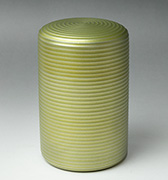
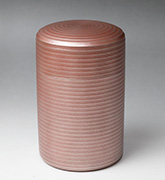
Tin ware has a long history in Japan. First introduced to the country about1300 years ago, tin was considered second only to
gold and silver in terms of value and was used to make goods for palaces and shrines.
Later when tea culture arrived from China,it was used to make containers and vessels for tea.
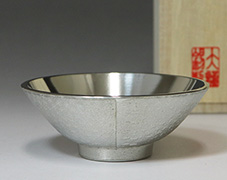
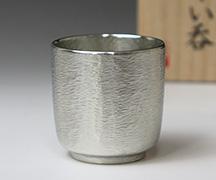
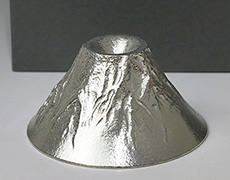
Artistic Nippon are pleased to offer quality tin ware from Osaka and Toyama to enhance your tea and sake experience.
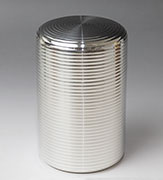
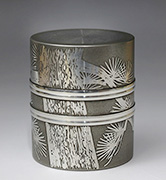
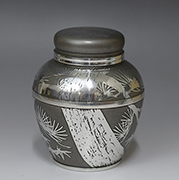
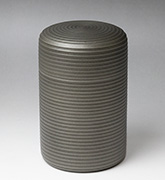
One of the major advantages of tin ware is that it is odorless, making it especially suitable for storing tea, keeping the tea fresh and fragrant.Traditional tea chests used by merchants in the old days were actually coated with tin on the inside because of this quality. Tin also contains a coarse molecular framework which is good at absobing impurities. Thus it is considered the perfect material for sake ware. It has also been used as dinnerware from ancient times and has proved itself to be safe for food use.
Later when tea culture arrived from China,it was used to make containers and vessels for tea.
Artistic Nippon are pleased to offer quality tin ware from Osaka and Toyama to enhance your tea and sake experience.
One of the major advantages of tin ware is that it is odorless, making it especially suitable for storing tea, keeping the tea fresh and fragrant.Traditional tea chests used by merchants in the old days were actually coated with tin on the inside because of this quality. Tin also contains a coarse molecular framework which is good at absobing impurities. Thus it is considered the perfect material for sake ware. It has also been used as dinnerware from ancient times and has proved itself to be safe for food use.
| (Click the Picture for enlargement and details.) | ||
|
|
|
|
|
|
|
|
|
|
|
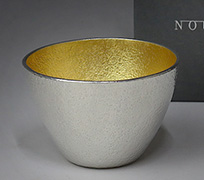
Nousaku was established in Toyama in 1916.
Their items are recognized for their innovative designs, pursuing a balance between the old traditions and a fresh, contemporary style.
Their items are recognized for their innovative designs, pursuing a balance between the old traditions and a fresh, contemporary style.
SOLD OUT
SOLD OUT