Tokoname Kyusu Teapots — Handmade in Japan
Home > Tokonameyaki
We ship quality handcrafted Tokoname teapots worldwide!
Among Japan's six ancient kiln sites — Seto, Shigaraki, Echizen, Tanba, Bizen, and Tokoname — Tokoname is considered the largest and oldest, with a pottery tradition spanning over a thousand years. Situated in Aichi Prefecture near Nagoya, the town has long been synonymous with the finest handmade kyusu teapots in Japan.
The iron-rich clay of the region is said to soften the astringency of green tea, bringing out a mellower, rounder flavor in every cup. This is why Tokoname teapots have long been the preferred choice of Japanese green tea enthusiasts — valued in Japan much as Yixing teapots are in China.
| About us | How to order | Privacy policy | contact us | Artistic Nippon Home |
Concerning teapot volume: Please allow some tolerance in the volume measurements of our teapots.
Due to space constraints we cannot measure every item as wet teapots have to be left out to dry for some time before being stored.
When a large number of teapots arrive at the same time, same models of a similar size are grouped together and
a representative measurement taken. Because of the handcrafted nature of the products, some discrepancies might occur.
Thank you for your understanding.
Our hand-crafted Tokoname teapots selection
(click the picture for detail.)
Items with a  mark, come in a wooden box.
The volume of each teapot is measured at full capacity (ie. filled right
up to the brim or just under the lid), so it does not correspond to the actual amount of tea you can brew in it.
This is because each piece is individually hand crafted.
Prices are subject to change without prior notice
For yuzamashi (a water pitcher for cooling water), click here!
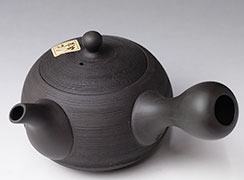
Sekiryu III 215 ml/7.2 fl oz

Sekiryu III 230 ml/ 7.7 fl.oz

Yutaka 220 ml/ 7.4 fl.oz

Hakuyu

Hakuyu

Hakuyu

Hakuyu
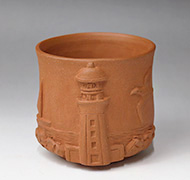
Hakuyu

Hakuyu 110 ml / 3.7 fl.oz

Hakuyu 210 ml / 7.1 fl oz
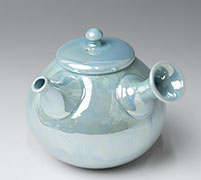
Yutaka 210 ml / 7.1 fl.oz

Shoryu 180 ml / 6 fl.oz SOLD

Shoryu 260, 270 ml / 8.8, 9.1 fl.oz
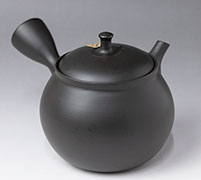
Shoryu 280 ml/ 9.4 fl.oz

Shoryu 280 ml / 9.4 fl oz

Shoryu 240 ml / 8.1 fl.oz SOLD

Shoryu 270 ml / 9.1 fl.oz NEW

Shoryu 240 ml / 8.1 fl.oz

Shoryu 205 ml / 6.9 fl.oz SOLD

Shoryu 245 ml / 8.3 fl.oz NEW
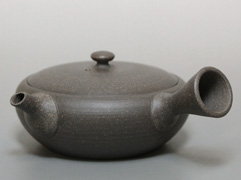
Mizuno Hiroshi 145-170 ml / 4.9-5.7 fl.oz SOLD
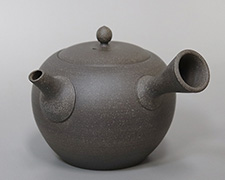
Mizuno Hiroshi 310 ml / 10.4 fl.oz SOLD

Mizuno Hiroshi 285, 295 ml / 9.6, 9.9 fl.oz SOLD
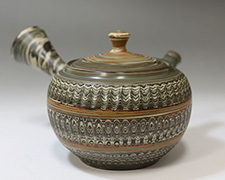
Tomoharu 220 ml / 6.7 fl.oz
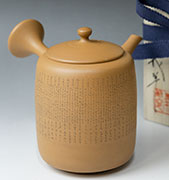
Gisui 230 ml / 7.7 fl oz

Gisui 235 ml / 7.9 fl.oz NEW

Gisui 285 ml / 9.6 fl.oz NEW

Gisui 200 ml / 6.8 fl.oz NEW
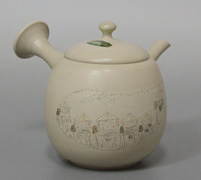
Gisui 265 ml / 8.9 fl.oz
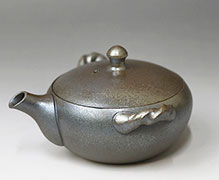
Tomohiro 200 ml/ 6.7 fl.oz SOLD
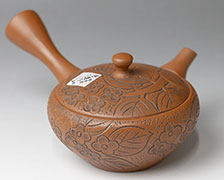
Gyokko 110 ml / 3.7 fl.oz

Gyokko 265 ml / 9 fl.oz NEW
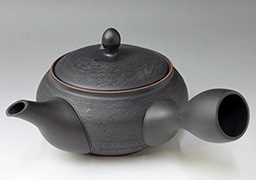
Houryu 360 ml / 12.1 fl oz SOLD
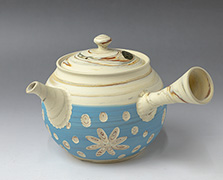
Kenji 415 - 480 ml / 14 - 16.2 fl oz
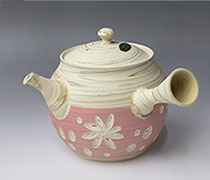
Kenji 450 ml / 15.2 fl oz
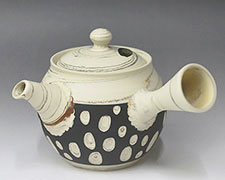
Kenji 310 ml / 10.5

Kenji 205 ml / 6.9 fl.oz SOLD
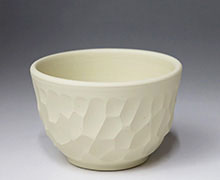
Kenji 120-135 ml / 4 - 4.5 fl oz
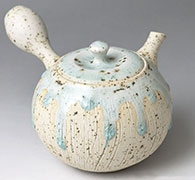
Tokuta 215 ml / 7.3 fl oz

Tokuta 385 ml/ 13 fl oz SOLD

Tokuta 230 ml/ 7.7 fl oz SOLD

Tokuta 65-75 ml/ 2.2-2.5 fl.oz
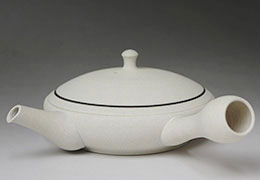
Maekawa Junzo 140 ml / 4.7 fl oz
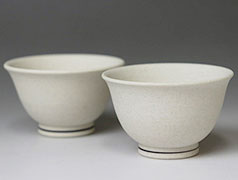
Maekawa Junzo 35 - 40 ml / 1.1 - 1.3 oz

Maekawa Junzo (small) 35 ml - 40 ml / 1.1 oz - 1.3 fl.oz
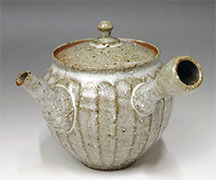
Maekawa Junzo 305 ml, 310 ml / 10.3, 10.4 fl.oz

Maekawa Junzo 215, 245 ml / 7.3, 8.3 fl oz

Maekawa Junzo 300 ml / 10.1 fl oz

Yokei 295 ml / 9.9 fl oz
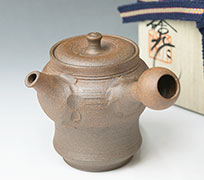
Hokujo 115 ml / 3.8 fl.oz

Hokujo 35 ml/ 1.18 fl.oz

Hokujo 320 ml / 10.8 fl oz NEW

Hokujo 270 ml / 9.1 fl oz NEW

Hokujo 120 ml / 4 fl.oz NEW

Hokujo 225 ml / 7.6 fl.oz NEW

Hokujo 220 ml / 7.4 fl.oz NEW
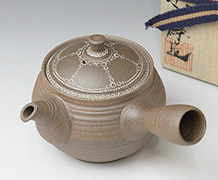
Kohokujo 145 ml / 4.9 fl.oz
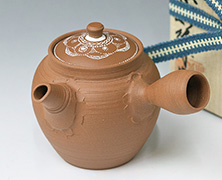
Kohokujo 115 ml / 3.8 fl.oz
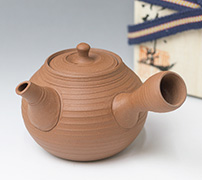
Kohokujo 105 ml / 3.5 fl.oz
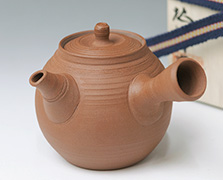
Kohokujo 115 ml / 3.8 fl.oz SOLD

Teruyuki 230 ml / 7.7 fl.oz

Teruyuki 305 ml / 10.3 fl.oz SOLD

Teruyuki 335 ml / 11.3 fl.oz SOLD
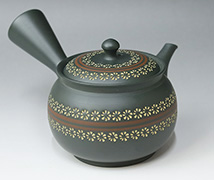
Teruyuki 245 ml / 8.3 fl.oz

Teruyuki 200, 215 ml / 6.7, 7.2 fl oz SOLD

Teruyuki 240,245 ml/8.1,8.2 fl oz

Teruyuki 230 ml/ 7.7 fl oz

Yoshiki 250 ml / 8.4 fl.oz

Yoshiki 145 ml / 4.9 fl.oz

Yoshiki 140-160 ml / 4.7-5.4 fl.oz

Fugetsu 190 ml / 6.4 fl.oz
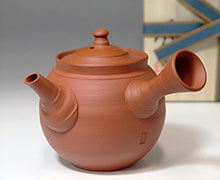
Fugetsu 280 ml/ 9.4 fl.oz SOLD
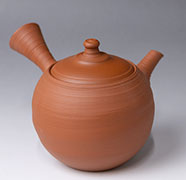
Fugetsu 260 ml/ 8.7 fl oz
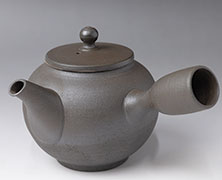
Jinshu 280 ml / 9.4 fl.oz SOLD

Jinshu 245 ml / 8.2 fl oz

Jinshu 85 ml / 2.8 fl oz

Jinshu 90 ml / 3 fl oz
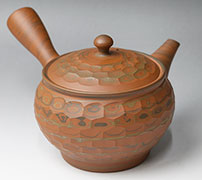
Yusen 320,350 ml/10.8,11.8 fl oz

Yusen 370 ml/ 12.5 fl oz
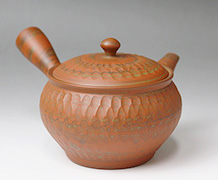
Yusen 300 -335 ml / 10.1 - 11.3 fl.oz
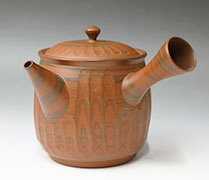
Yusen 450, 480 ml / 15.2, 16.2 fl oz

Yusen 220 ml / 7.4 fl oz

Yusen 220-280 ml / 7.4-9.4 fl.oz

Yusen 250-265 ml / 8.4-9 fl.oz

Yusen 125 ml / 4.2 fl.oz

Seiho 255-285 ml / 8.6-9.6 fl.oz

Seiho 260 ml / 8.8 fl.oz

Seiho 295 ml / 9.9 fl oz
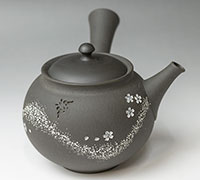
Seiho 270, 275 ml / 9.1, 9.3 fl.oz
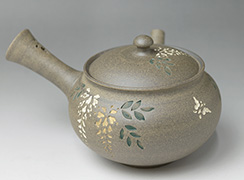
Seiho 265 ml / 8.9 fl.oz
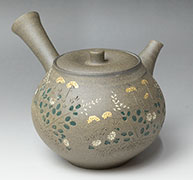
Seiho 290, 300 ml / 9.8, 10.1 fl oz

Seiho 150-240 ml/5-8.1 fl.oz

Seiho 295 ml / 10 fl.oz

Seiho 300 ml / 10.1 fl.oz
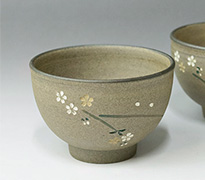
Seiho 80-100 ml / 2.7-3.3 fl.oz

Seiho 300 ml / 10.1 fl oz
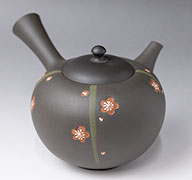
Seiho 365 ml / 12.3 fl.oz

Shunen 300 ml / 10.1 fl.oz
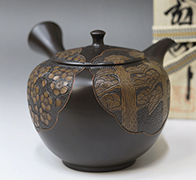
Shunen 270 ml / 9.1 fl oz
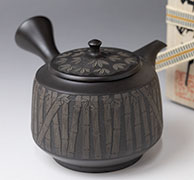
Shunen 255 ml / 8.6 fl.oz

Shunen 265 ml / 8.9 fl.oz

Shunen 250 ml / 8.4 fl.oz

Setsugetsu 285 ml / 9.6 fl.oz

Setsugetsu 155 ml / 5.2 fl.oz

Kodo 295 ml / 9.9 fl.oz

Tanikawa Jin 60-65 ml / 2-2.2 fl.oz

Tanikawa Jin 70 ml / 2.3 fl.oz

Tanikawa Jin 45 - 55 ml / 1.5 - 1.8 fl.oz

Konishi Yohei 240 ml / 8.1 fl oz

Konishi Yohei 245 ml / 8.2 fl oz

Konishi Yohei 200 ml / 6.76 fl oz
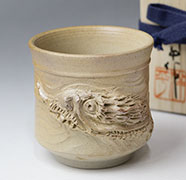
Konishi Yohei 145 ml / 4.9 fl oz

Konishi Yohei 140 ml / 4.7 fl oz
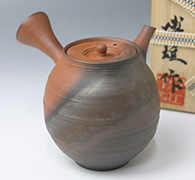
Konishi Hiroo 230 ml / 7.7 fl.oz
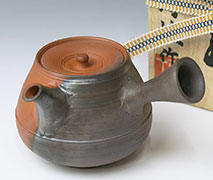
Konishi Hiroo 150 ml / 5 fl.oz

Konishi Hiroo 60 ml / 2 fl.oz

Konishi Hiroo 50 ml / 1.7 fl.oz

Jozan IV 420 ml / 14.2 fl oz NEW
Wood-fired teapots --->
Compared to other Tokoname teapots, the lids of wood-fired teapots tend to have a looser fit.This does not affect their function if used in the usual way of pressing the knob down with the forefinger when pouring tea.

Konishi Hiroo 225 ml / 7.6 fl oz

Konishi Yohei 300 ml / 10.1 fl oz

Konishi Yohei 250 ml / 8.45 fl oz

Konishi Yohei 45 ml / 1.5 fl oz

Konishi Yohei 140 ml / 4.7 fl oz

Konishi Yohei 240 ml / 8.1 fl oz

Konishi Yohei 310 ml / 10.4 fl oz

Konishi Yohei 240 ml / 8.1 fl oz

Konishi Yohei 310 ml / 10.5 fl oz

Konishi Yohei 220 ml / 7.4 fl oz
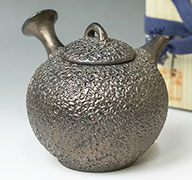
Konishi Yohei 205 ml / 6.9 fl oz
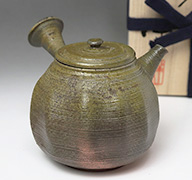
Konishi Yohei 200 ml / 6.7 fl.oz
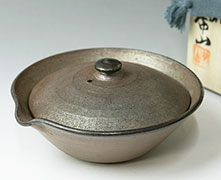
Jozan IV 80 ml / 2.7 fl.oz

Yamada Sou 180 ml / 6 fl.oz

Yamada Sou 115 ml / 3.9 fl.oz

Yamada Sou 145 ml / 4.9 fl.oz SOLD
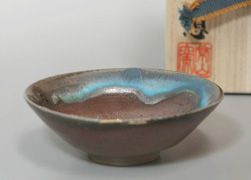
Yamada Sou 60 ml / 2 fl.oz
Tokoname kyusu come in a range of distinctive finishes, shaped by clay composition and firing technique:
- Shudei (朱泥) — the classic Tokoname finish: iron-rich clay fired in an oxidizing atmosphere, producing a warm reddish tone
- Kokudei (黒泥) — fired through a secondary reduction process to produce dark tones; each piece varies in depth of color and surface quality, from glossy black to quiet matte charcoal
- Yakishime — unglazed stoneware, fired without glaze to reveal the natural texture of the clay
Handle styles also vary to suit different brewing preferences:
- Yokode (横手) — side handle, the most common kyusu style
- Ushirode (後手) — rear handle, similar to a Western teapot
- Uwade (上手) — top handle, ideal for larger pots
All teapots in our selection are individually handcrafted by named Tokoname potters —
not mass-produced, unless otherwise stated. While many teapots on the market are slip-cast from molds, each piece
here reflects the skill of its maker.
Artistic Nippon is operated by Yoshikawa Toki, a ceramics specialist established in Choshi, Japan in 1953.
Many come in a wooden presentation box (indicated
by the mark),
making them a natural choice as a gift.
For more info. on Japanese teapots, please refer to:
| Brewing Temperature and time of Japanese green tea by type | ||
|---|---|---|
| Matcha | 176 F. (80C) | - |
| Sencha | 158-167 F. (70-75 C) | 45 - 60 sec. |
| Gyokuro | 140 F. (60C). | 90 - 120 sec. |
| Hojicha, bancha , genmaicha | Boiling water | 30 sec. |
For yuzamashi (a water pitcher for cooling water), click here!

Stainless Steel Tea caddy / Canister
Tokoname Kyusu Guides and Articles
Explore our guides to Japanese teapots, Tokoname craftsmanship, ceramic filters, tea preparation, and traditional Japanese tea culture.
- How to Choose a Japanese Kyusu Teapot
- Japanese Kyusu Teapots Guide
- Japanese Yunomi Teacups Guide
- Tokoname Ceramic Mesh Filter “Sasame”
- Tokoname and Banko Teapot Care Instructions | Pre-treatment of Japanese Kyusu
- How Handmade Tokoname Teapots Are Crafted at Hokujo Kiln
- Traditional Hand Engraving on Tokoname Teapots
- How a Tokoname Teapot Is Made (Video)
- A New Lease of Life for Old Tea
- Yamada Jozan IV Exhibition in Tokoname | Photographs from a 2012 Exhibition
- Inside the Workshop of Tokoname Master Konishi Yohei
- Inside the Workshop of Tokoname Craftsman Konishi Yohei – 2012 Visit
- Visiting Konishi Yohei’s Workshop – 2013
Use Tokoname teapots just as you would use porcelain teapots.
Rinse the inside with hot water after each use in order to eliminate the possibility of tea stains. Wipe the outside with a soft cloth and leave to dry naturally, right side up with the lid off in a well-ventilated area. *Never place the pot onto direct fire.
Wiping with a soft, dry cloth gives a lustrous sheen to the pot and makes it even more pleasing to the eye. *Do not wipe inside the teapots.
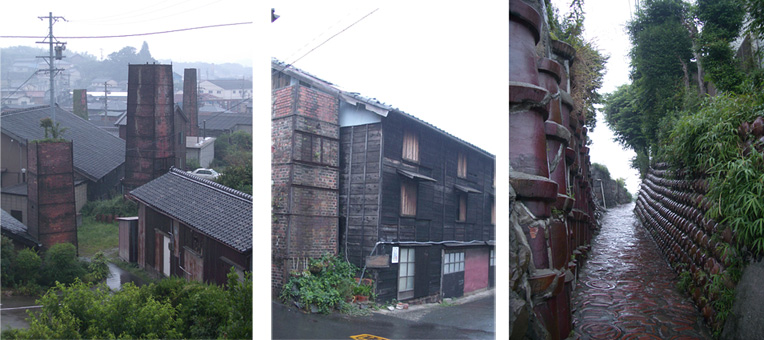
*Photos left to right - general view of Tokoname city, traditional workshop, walls made of clay pipes and pots bordering slope paved with pottery pieces.